Acne Scar Treatment in Singapore
What Are Acne Scars?
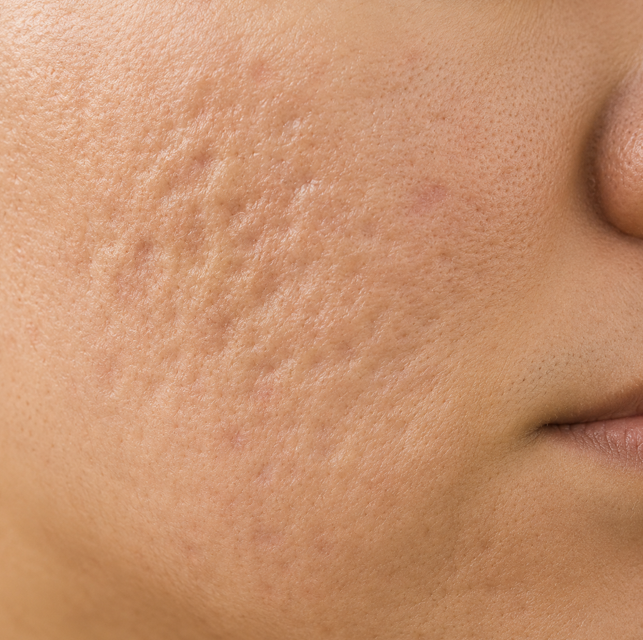
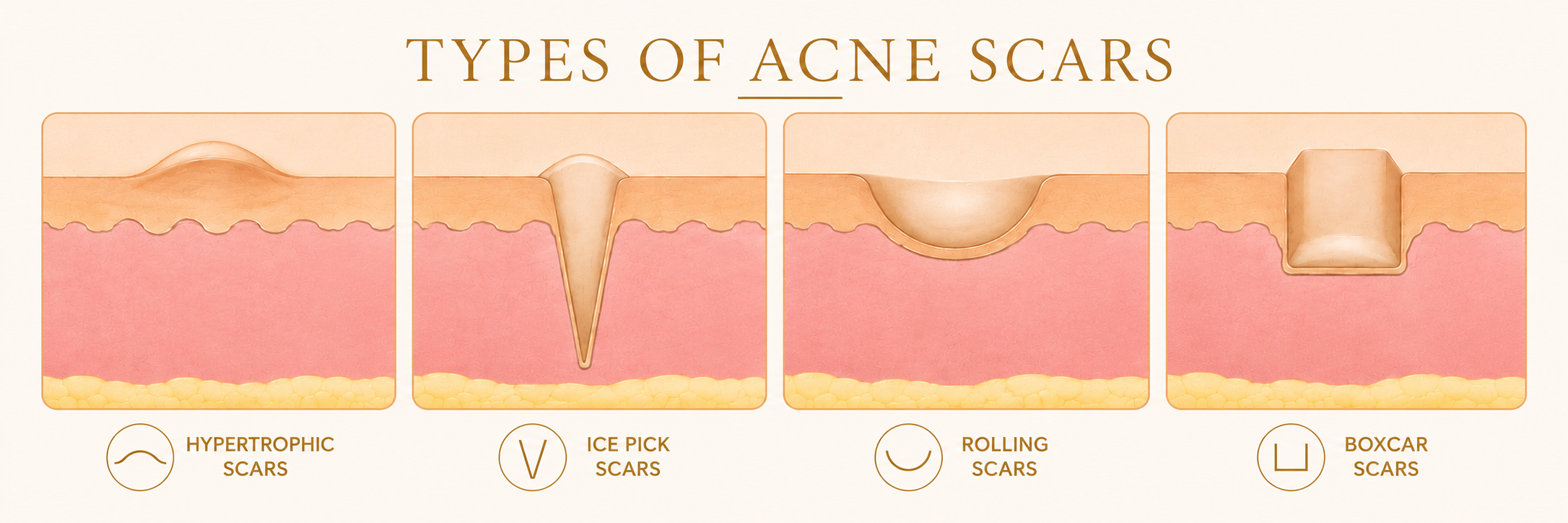
Acne scars can develop when inflammation from acne disrupts the skin’s normal healing process and collagen structure. They may appear as deep pits, broad depressions, rolling indentations or uneven skin texture.
Different types of acne scars require different treatment approaches. At SONÉ Aesthetics, treatment is planned according to scar type, depth, skin condition and underlying tethering, with the aim of improving skin texture through gradual collagen remodelling.
Common Types of Acne Scars
-
Ice Pick Scars
Deep, narrow scars that extend vertically into the skin and may require targeted treatment.
-
Boxcar Scars
Wider, sharply defined depressions caused by collagen loss beneath the skin.
-
Rolling Scars
Broad, wave-like depressions often associated with fibrous tethering beneath the surface.
-
Mixed Acne Scars
Many patients have a combination of scar types and benefit from a multimodal treatment plan.
Acne Scar Treatments in Singapore
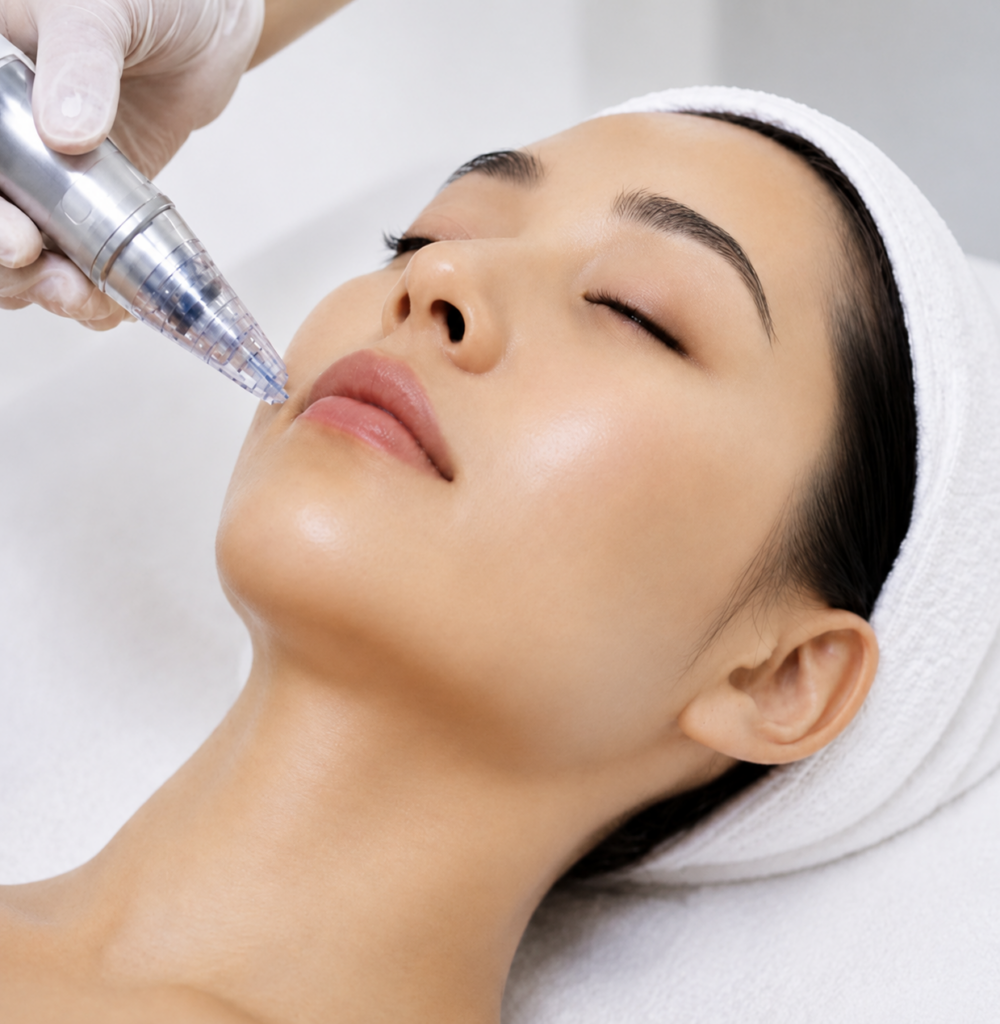
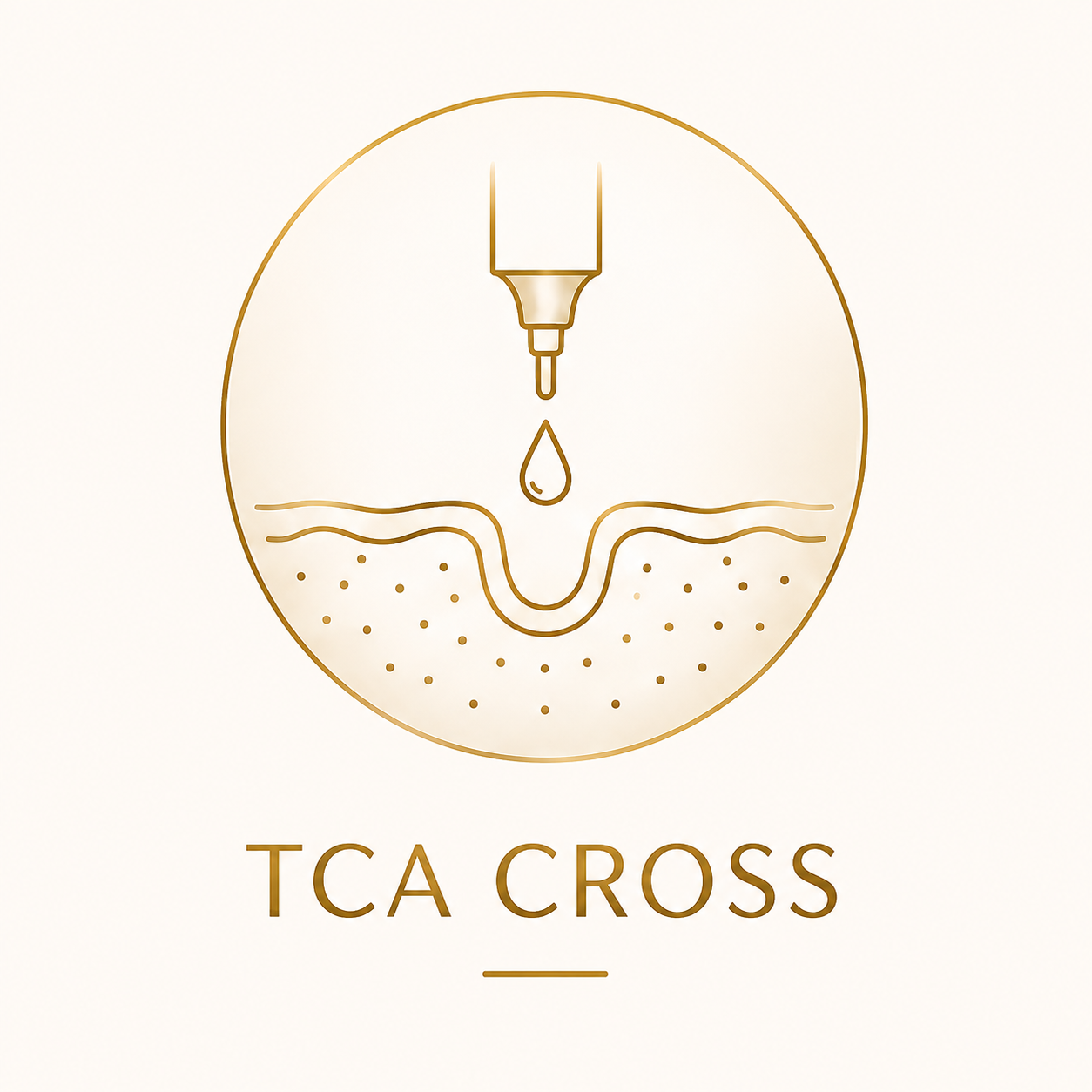
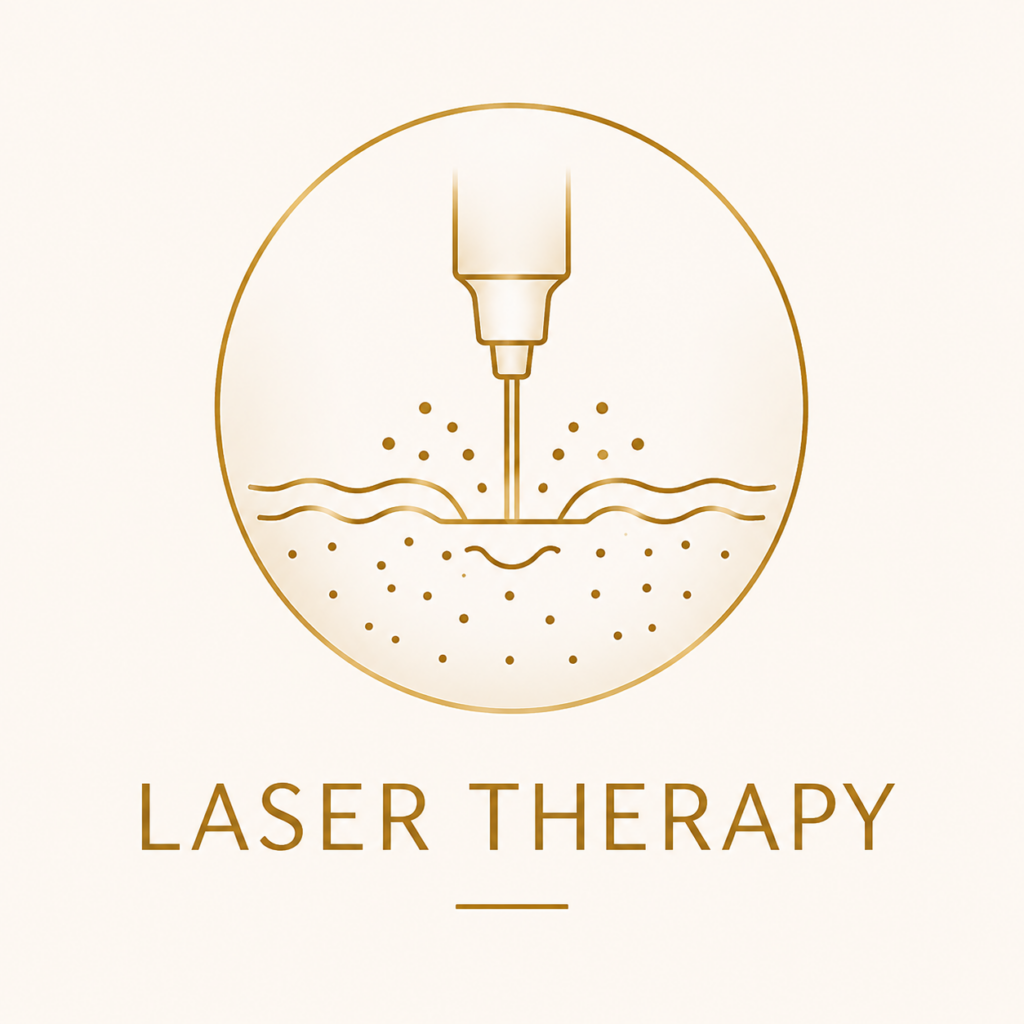
Acne scars vary in type, depth and underlying structure, so treatment often requires a personalised approach. At SONÉ Aesthetics, acne scar treatments may include TCA CROSS, laser therapy, RF microneedling, RF subcision, collagen stimulators and regenerative therapy, depending on the scar pattern, skin condition and treatment goals.
- Depressed Acne Scars
- Rebuilds Collagen
- Restores Skin Support
- Gradual Scar Improvement
- Supports Skin Repair
- Enhances Recovery
- Improves Skin Quality
- Supports Scar Regeneration
Acne Scar and Texture Refinement
Acne scarring can create uneven skin texture, altered light reflection, and visible surface depressions. Treatment aims to stimulate controlled dermal renewal and improve collagen organisation beneath the skin.
As remodelling progresses, the skin may appear smoother, softer, and more even. Improvement typically develops gradually and may require a series of treatments depending on scar severity and individual healing response.
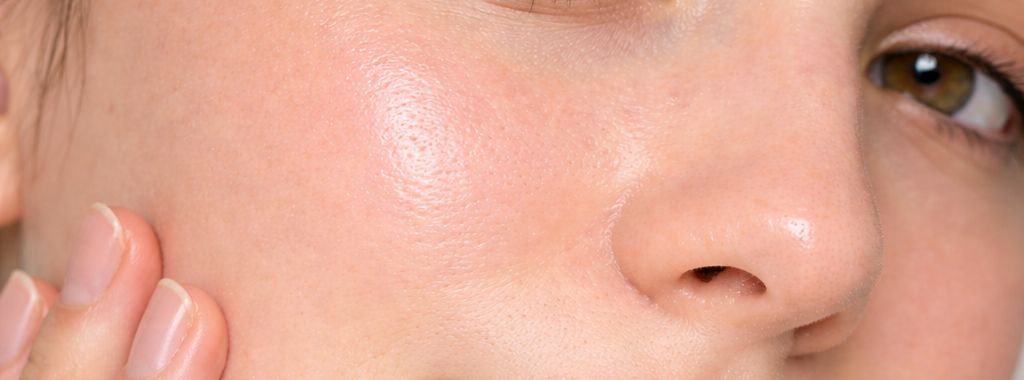
Pores and Post-Acne Texture
Enlarged pores and uneven texture may become more noticeable when collagen support around the follicular opening is reduced. Treatments that stimulate dermal remodelling may help improve the appearance of pores while supporting smoother overall skin texture.
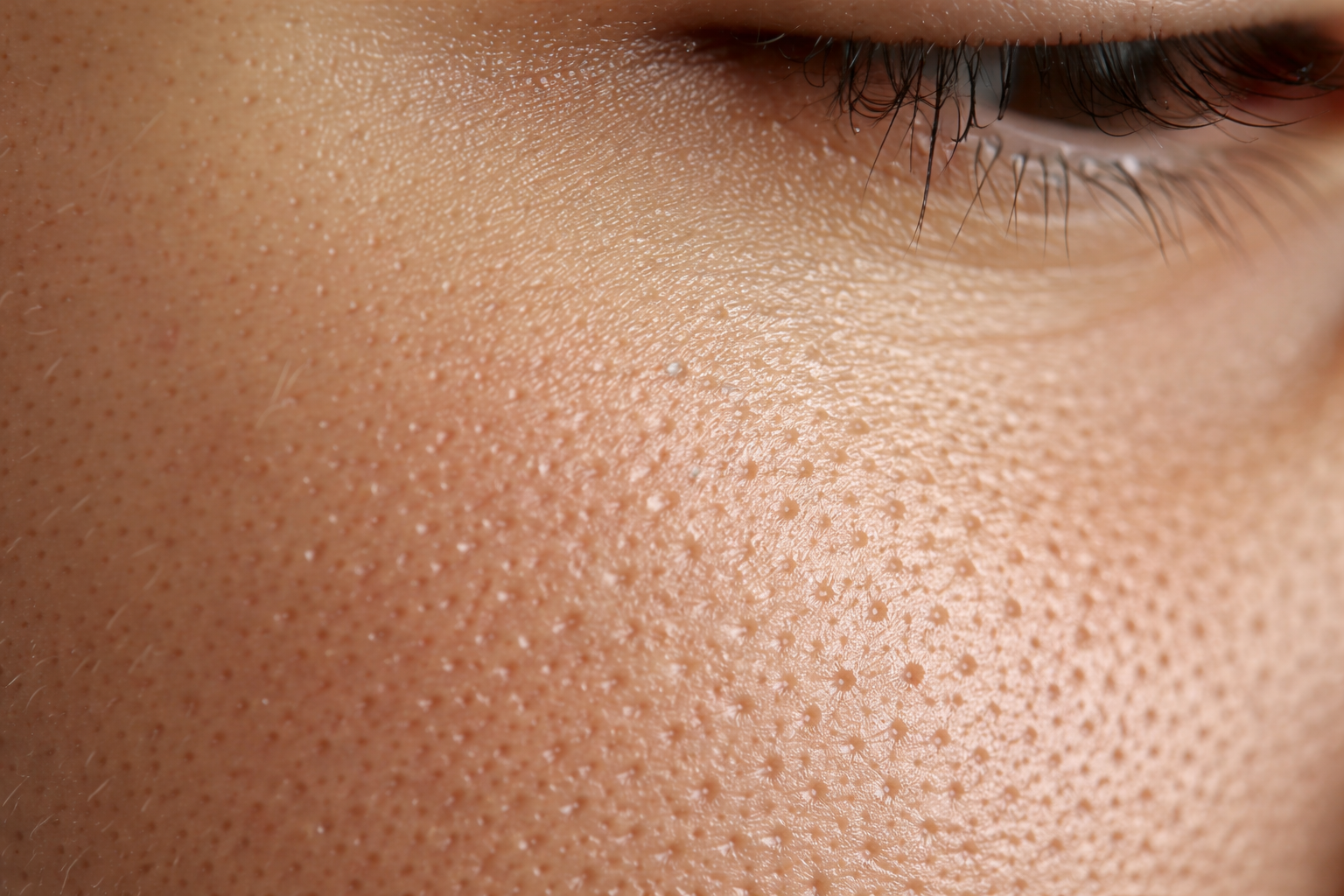
Structural Scar Correction
Some acne scars are held down by fibrous bands beneath the skin, creating visible depressions and uneven contours. Where appropriate, treatment may focus on releasing tethered tissue before stimulating collagen regeneration.
Correcting the underlying structure can help improve the appearance of rolling and depressed scars while creating a smoother transition across the skin surface.
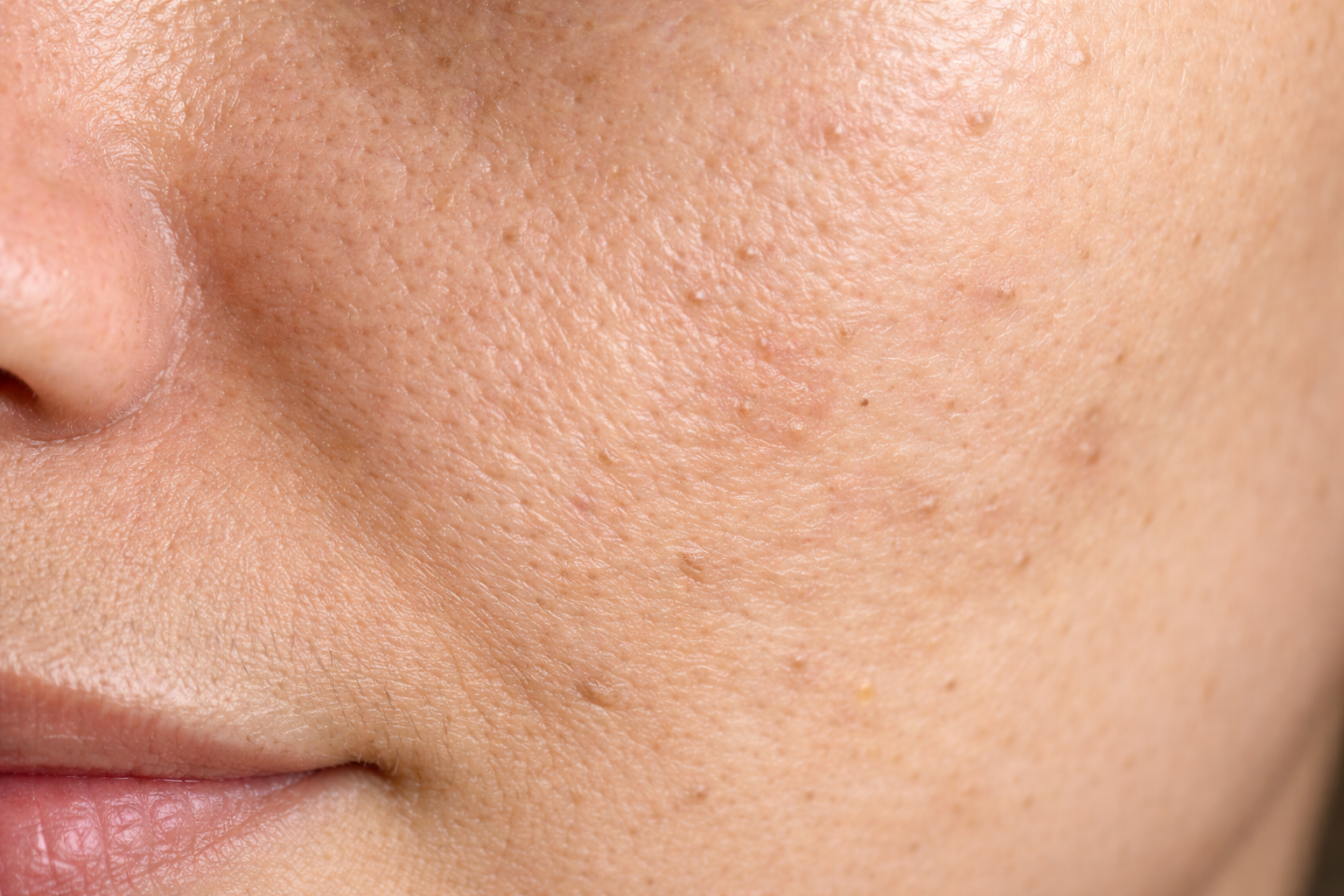
How Collagen Remodelling Works
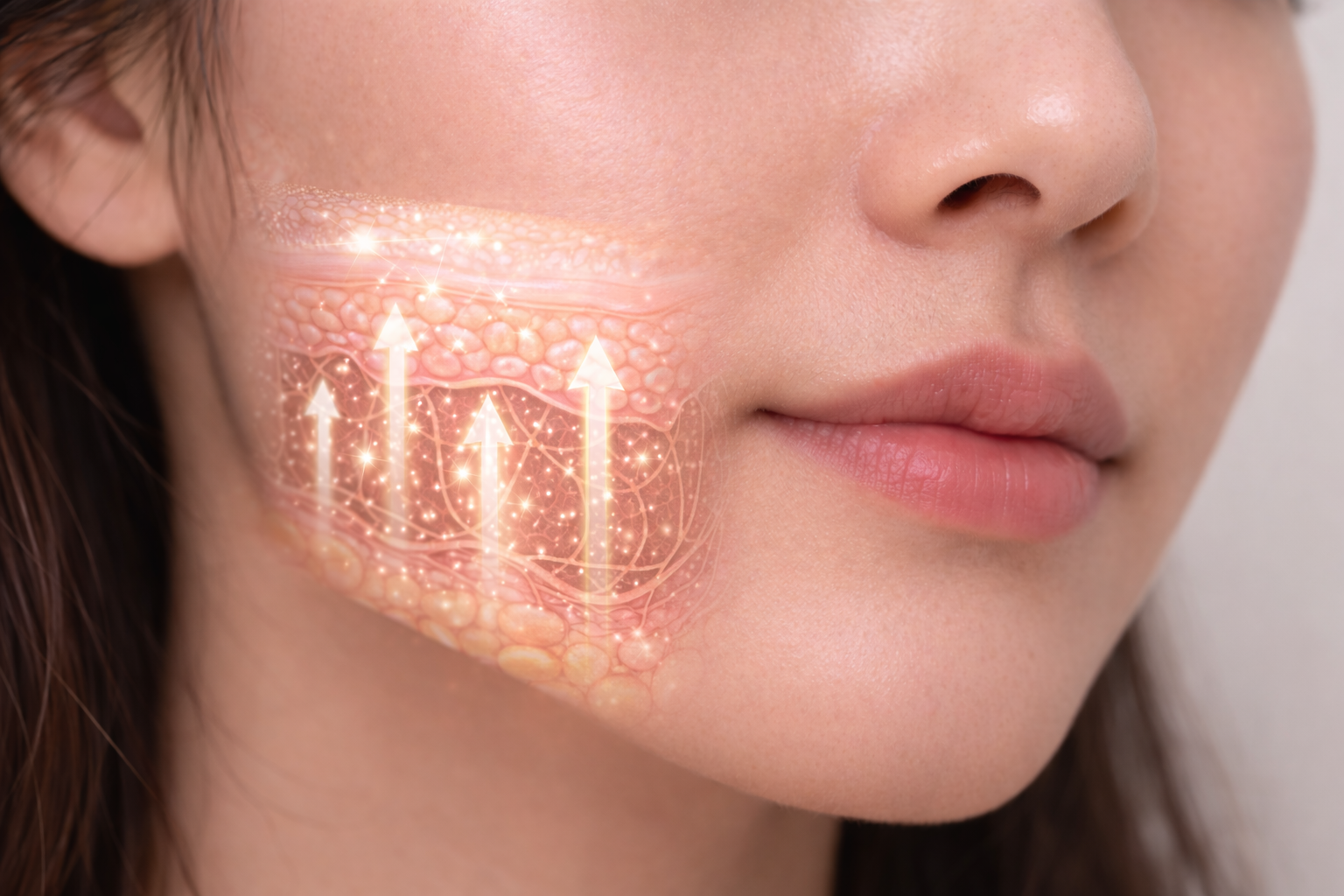
Acne scar improvement develops gradually as the skin forms and reorganises collagen. Treatments may stimulate fibroblast activity, improve dermal thickness, and support healthier skin structure over time.
Because collagen remodelling is progressive, results are usually assessed over several weeks or months rather than immediately after treatment.
Not sure where to start?
We’ll help you choose the most suitable treatment.
Treatment plans are designed based on your facial anatomy, skin condition and aesthetic goals.
Signature Treatment Areas
Discover treatments designed with intention
At SONÉ Aesthetics, every treatment begins with a personalised consultation. Our services include laser treatments for pigmentation, collagen biostimulators, skin boosters, facial contouring, acne scar treatment, RF microneedling and hair restoration. Treatment plans are tailored according to facial anatomy, skin quality and long-term goals.