Acne Treatment in Singapore
Understanding Acne and Its After-Effects
Acne can affect the skin in several ways, from active breakouts and excess oil production to pigmentation, scarring, enlarged pores, and uneven texture. Because each concern develops through a different process, effective treatment begins with identifying whether the main issue is inflammation, pigmentation, structural scarring, or a combination of factors.
Your Treatment Journey
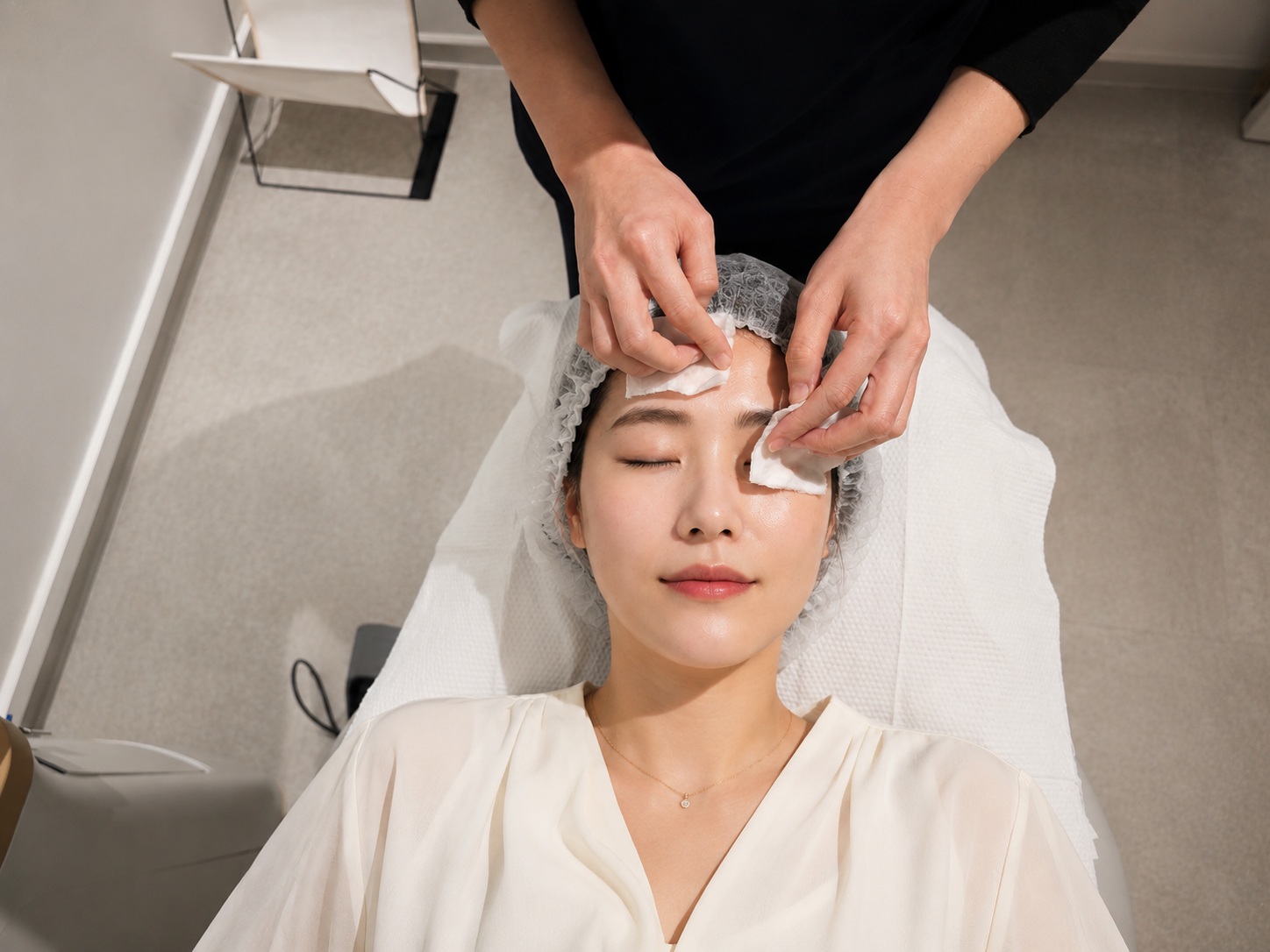
Step 1. Skin Analysis
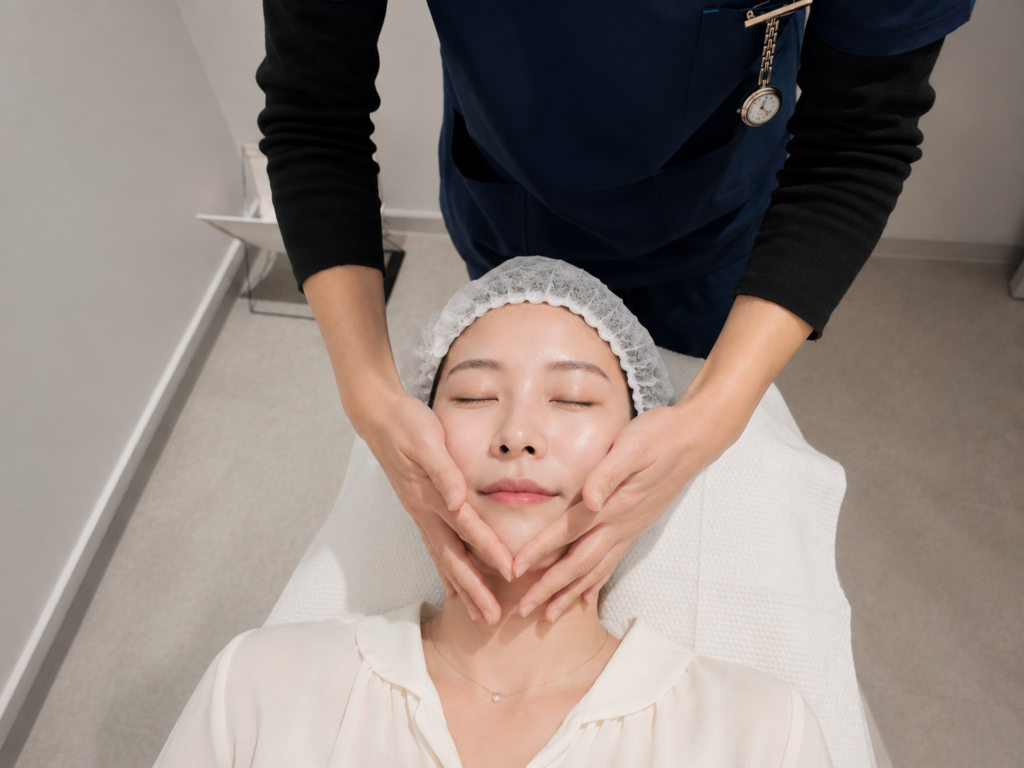
Step 2. Double Cleansing
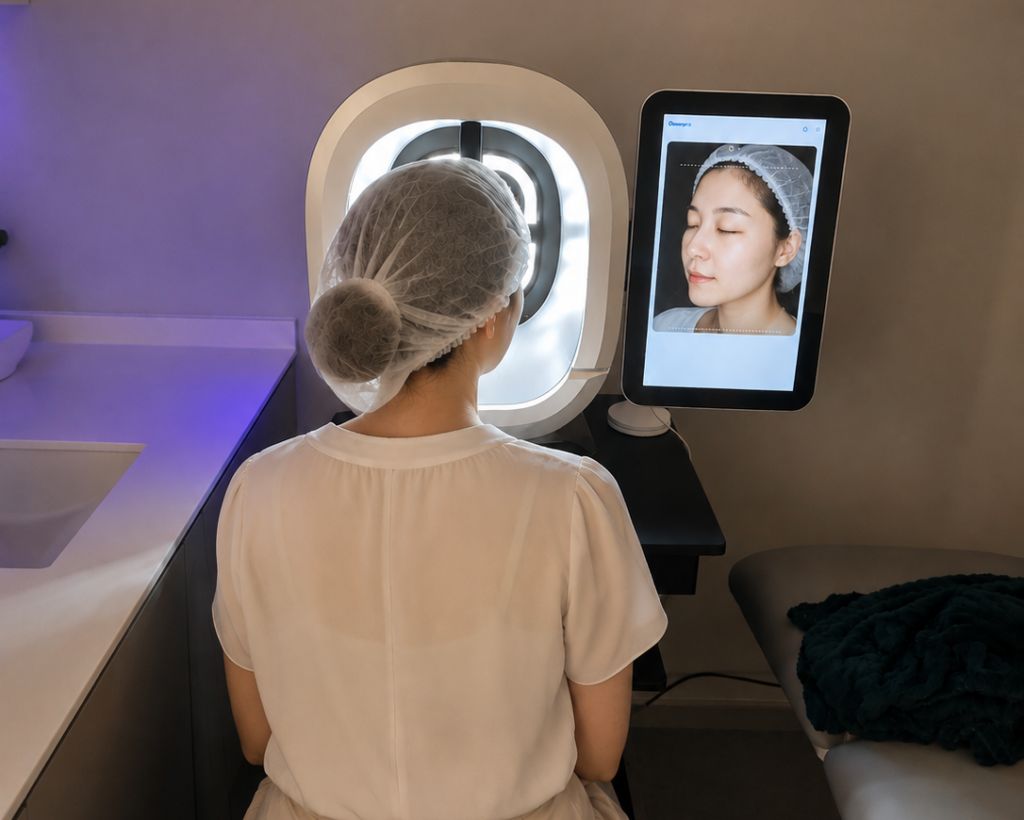
Step 3. Clinical Photography
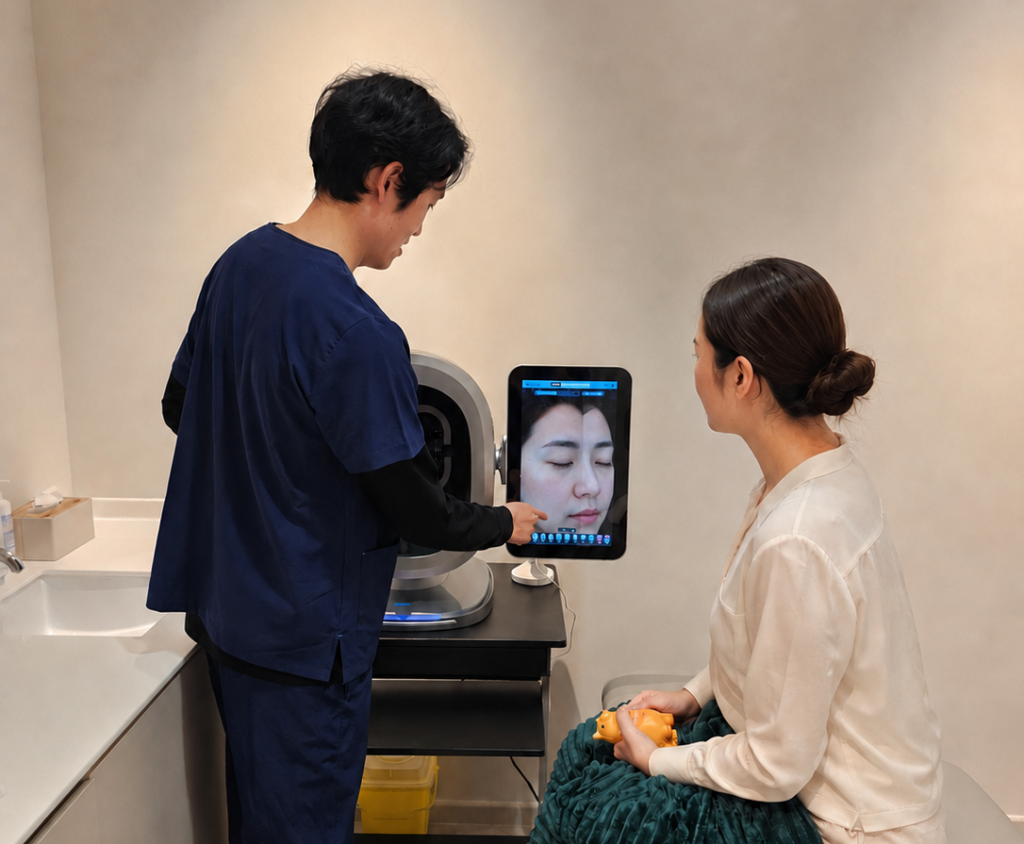
Step 4. Doctor Consultation

Step 5. Personalized Treatment Plan

Step 6. Doctor-Led Treatment
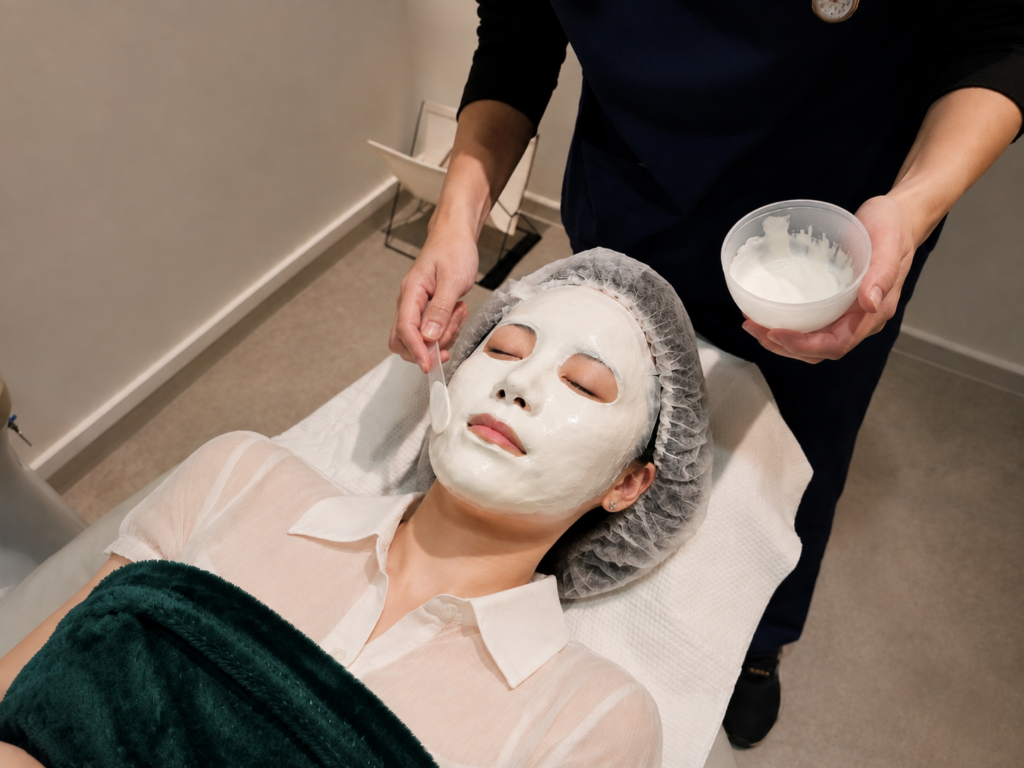
Step 7. Calming Recovery Mask
Acne & Skin Clarity
-
Acne occurs when pores become clogged with excess oil, dead skin cells, and bacteria
-
It may appear as blackheads, whiteheads, inflamed pimples, or deeper cystic lesions
-
Hormonal changes, stress, and environmental factors can contribute to persistent breakouts
-
Ongoing inflammation can damage the skin and increase the risk of pigmentation and scarring
-
Treatment focuses on controlling inflammation, regulating oil production, and preventing new breakouts
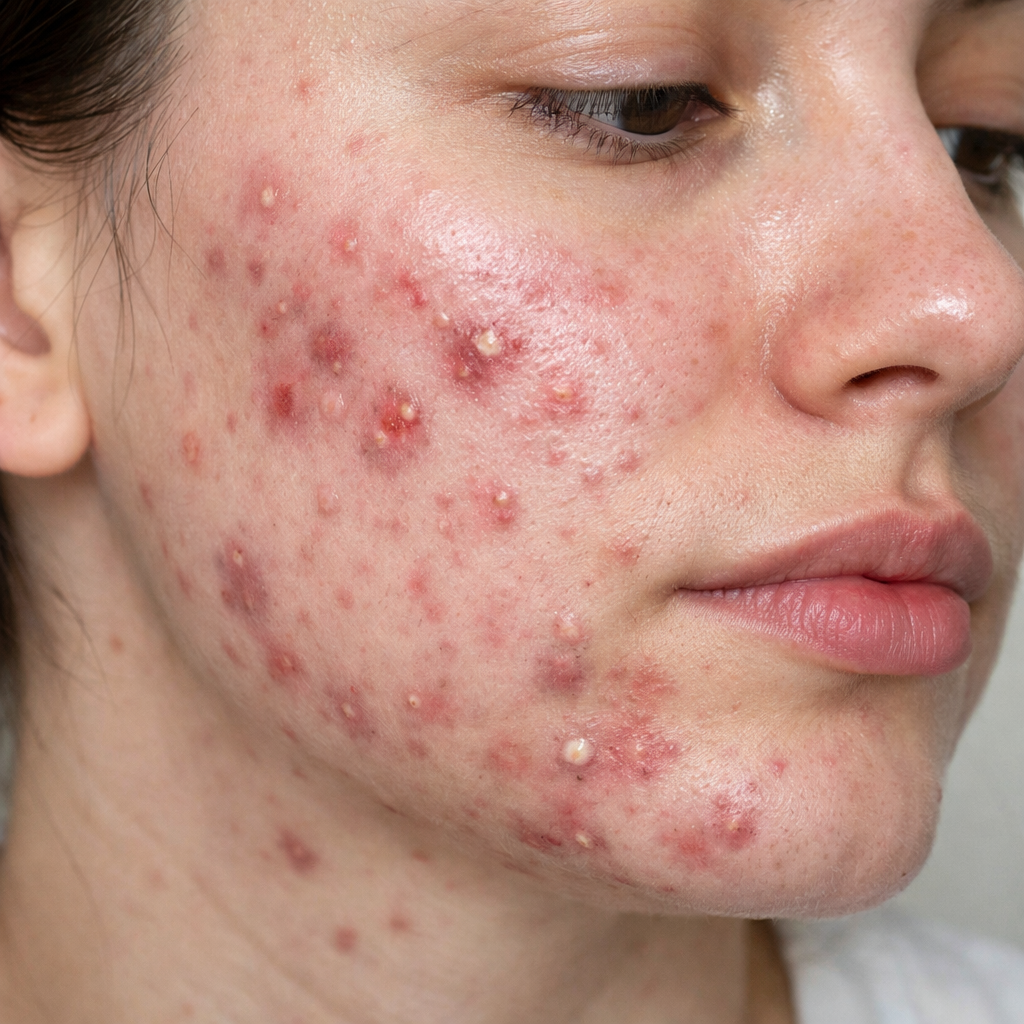
Acne Scars
Acne scars develop when inflammation damages the deeper layers of the skin during the healing process. This can result in depressed scars such as ice-pick, boxcar, or rolling scars that create uneven skin texture. Unlike active acne, scars represent structural changes within the skin’s collagen framework. Treatment aims to stimulate collagen remodeling and release fibrotic scar tissue to gradually improve skin texture.
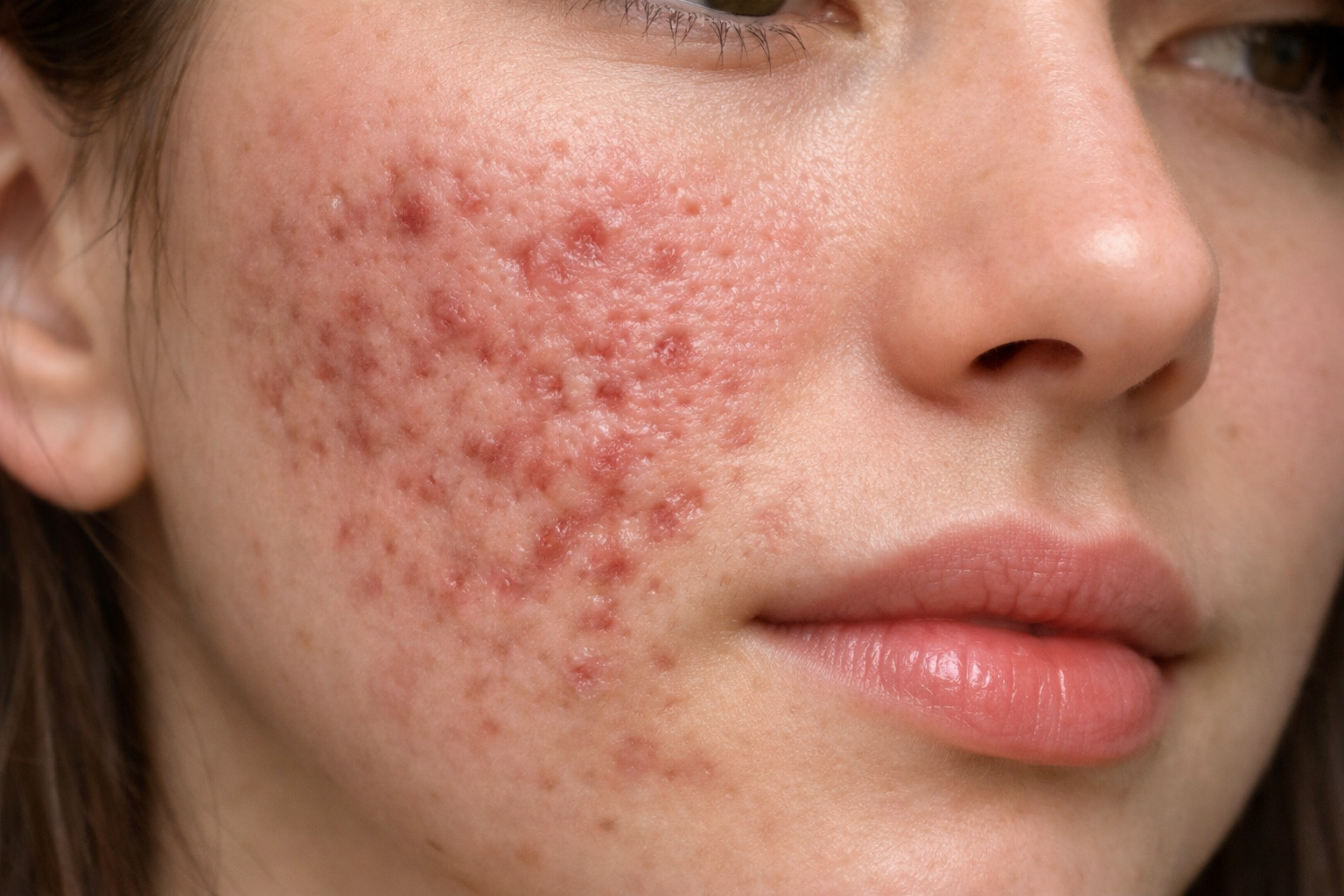
A Personalised Acne Treatment Approach
Depending on the main concern, treatment may involve medical acne management, sebum-control treatments, pigment laser, fractional laser, RF microneedling, targeted scar correction, skin boosters, or collagen biostimulation. Combination treatment may be recommended when active acne, pigmentation, scarring, and texture changes are present together.
Post-Acne Pigmentation and Redness
-
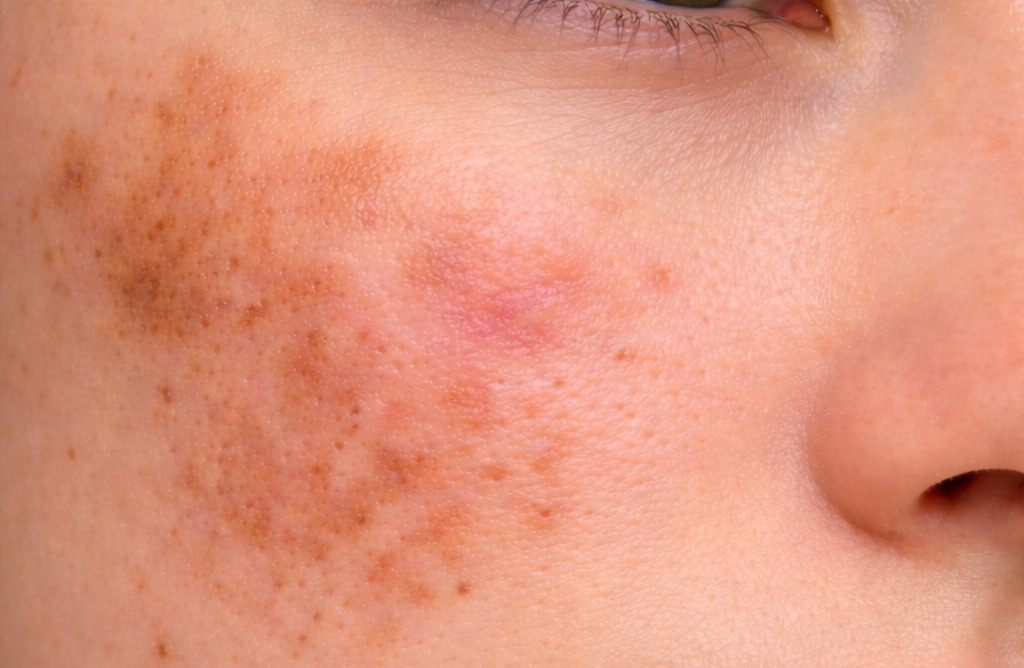
Post-acne pigmentation appears as dark or reddish marks after acne lesions heal
-
It occurs when inflammation triggers excess pigment production in the skin
-
These marks are not permanent scars but may persist for months without treatment
-
Sun exposure and ongoing inflammation can worsen or prolong pigmentation
-
Treatment aims to regulate pigment activity and restore a clearer, more even skin tone
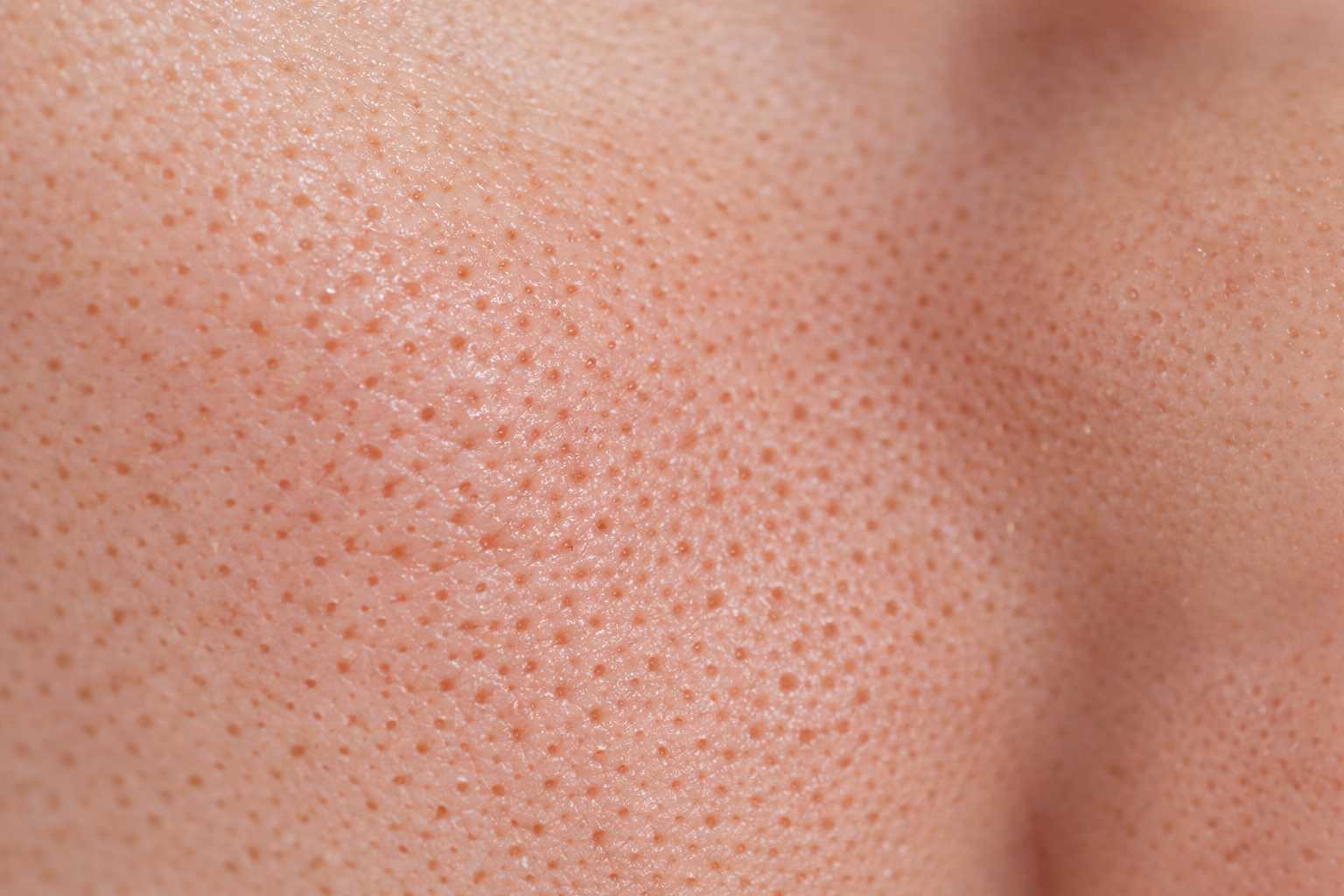
Enlarged Pores and Sebum Control
-
Enlarged pores are commonly associated with oily and acne-prone skin
-
Excess sebum and debris can stretch pores and make them more visible
-
Chronic inflammation from repeated breakouts may weaken surrounding skin support
-
Loss of collagen with age can further contribute to enlarged pores
-
Treatment focuses on controlling oil production and improving skin texture
Post-Acne Texture Changes
-
Repeated acne breakouts can lead to uneven skin texture even without visible scars
-
Persistent inflammation may disrupt normal collagen structure in the skin
-
This can result in roughness, dullness, and irregular skin surface
-
Skin renewal treatments help stimulate collagen remodeling and smoother skin structure
-
With consistent treatment, the skin can gradually appear clearer and more refined

Doctor-Led Acne Assessment
Start with the Right Diagnosis
Your consultation will assess whether your main concern is active acne, pigmentation, scarring, enlarged pores, or a combination of factors. A personalised treatment plan will then be developed according to your skin condition, treatment history, and downtime preferences.